Most people wait an average of seven years between noticing a change in their hearing and seeking help. That's seven years of turned-up televisions, repeated conversations, and quietly withdrawing from social situations that should be effortless. The delay is understandable — hearing loss tends to arrive slowly, and it's easy to attribute the early signs to tired ears, background noise, or other people mumbling.
The good news is that once you know what to look for, the signs are fairly clear. Here are seven of the most common indicators that it may be time to schedule a hearing evaluation.
Sign 1: You frequently ask people to repeat themselves
Occasionally saying "pardon?" is normal. Doing it multiple times in most conversations — especially with the same people in familiar settings — is worth paying attention to. If you find yourself asking family members to repeat things they've said clearly, or if you're saying "what?" before you've really given yourself a chance to process what was said, your brain may be compensating for reduced input from your ears.
Sign 2: You struggle to follow conversations in groups or noisy places
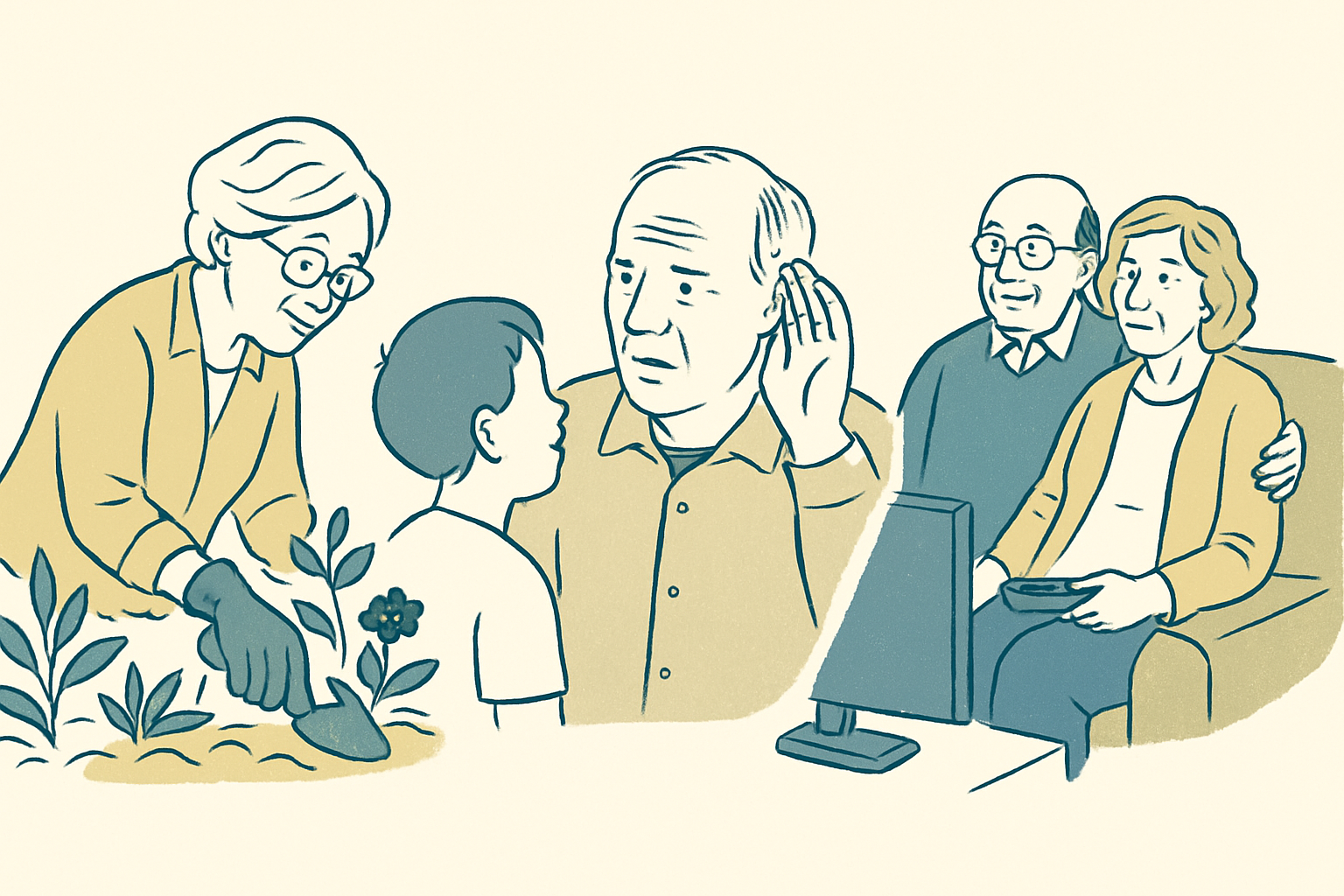
One of the earliest and most consistent signs of age-related hearing loss is difficulty separating speech from background noise. Restaurants, family gatherings, and church services become tiring rather than enjoyable. You may find yourself nodding along rather than genuinely tracking the conversation — and feeling drained afterward.
Why background noise is so revealing
The ability to pull speech out of background noise relies on the same high-frequency hearing that typically declines first in age-related hearing loss (presbycusis). One-on-one conversations in quiet rooms may still feel manageable long after group settings become difficult — which is why many people underestimate how much hearing loss they've already experienced.
Sign 3: You turn the TV or radio up louder than others prefer
If a family member or housemate frequently asks you to turn the volume down — or if you find yourself reaching for the remote well before others notice any issue — that volume gap is meaningful data. Similarly, if you prefer to sit very close to the television or position yourself toward speakers in a room, you may be unconsciously compensating for reduced hearing range.
Sign 4: You miss parts of phone calls
Phone conversations strip away the visual cues — lip movement, facial expressions, gestures — that people with mild hearing loss often rely on without realizing it. If phone calls feel harder than in-person conversations, or if you consistently mishear numbers, names, and instructions over the phone, that asymmetry is a sign worth discussing with an audiologist.
Sign 5: You have trouble hearing high-pitched sounds
The most common pattern of age-related hearing loss begins in the high frequencies. This means sounds like birdsong, doorbells, and the voices of women and children may seem quieter or harder to understand before lower-pitched sounds are affected. If you've noticed these sounds fading or if consonants in speech sound muffled (making words like "fish" and "fist" hard to distinguish), a hearing test is a sensible next step.
Sign 6: You notice a ringing, buzzing, or hissing in your ears
Tinnitus — the perception of sound when no external sound is present — affects roughly one in five adults, and it frequently accompanies hearing loss rather than appearing in isolation. It doesn't mean your hearing is severely impaired, but persistent tinnitus is a signal that the auditory system warrants evaluation. Many modern hearing aids include sound therapy programs that provide real relief for tinnitus alongside addressing hearing loss itself.
Sign 7: You've started avoiding social situations you used to enjoy
This is the sign people are most reluctant to name, but it's often the one that motivates action. If you've quietly stopped going to book clubs, choir practice, large family dinners, or other gatherings because keeping up feels too exhausting, untreated hearing loss may be driving the withdrawal. Research consistently links untreated hearing loss to social isolation, depression, and cognitive decline in older adults — which is why audiologists take this sign seriously.
A note from Dr. Ellsworth
"In my years of clinical practice, the patients who waited the longest to seek help almost always said the same thing afterward: 'I wish I hadn't waited.' Early intervention tends to produce better outcomes — audiologically and socially. If you're reading this list and nodding at two or more items, that's enough reason to make an appointment. A hearing test is quick, painless, and gives you real information to make a calm, unhurried decision."
What to do next: scheduling a hearing evaluation
If several of these signs feel familiar, the most useful next step is a comprehensive hearing evaluation with a licensed audiologist or hearing instrument specialist. Here's what that typically involves:
What a hearing test covers
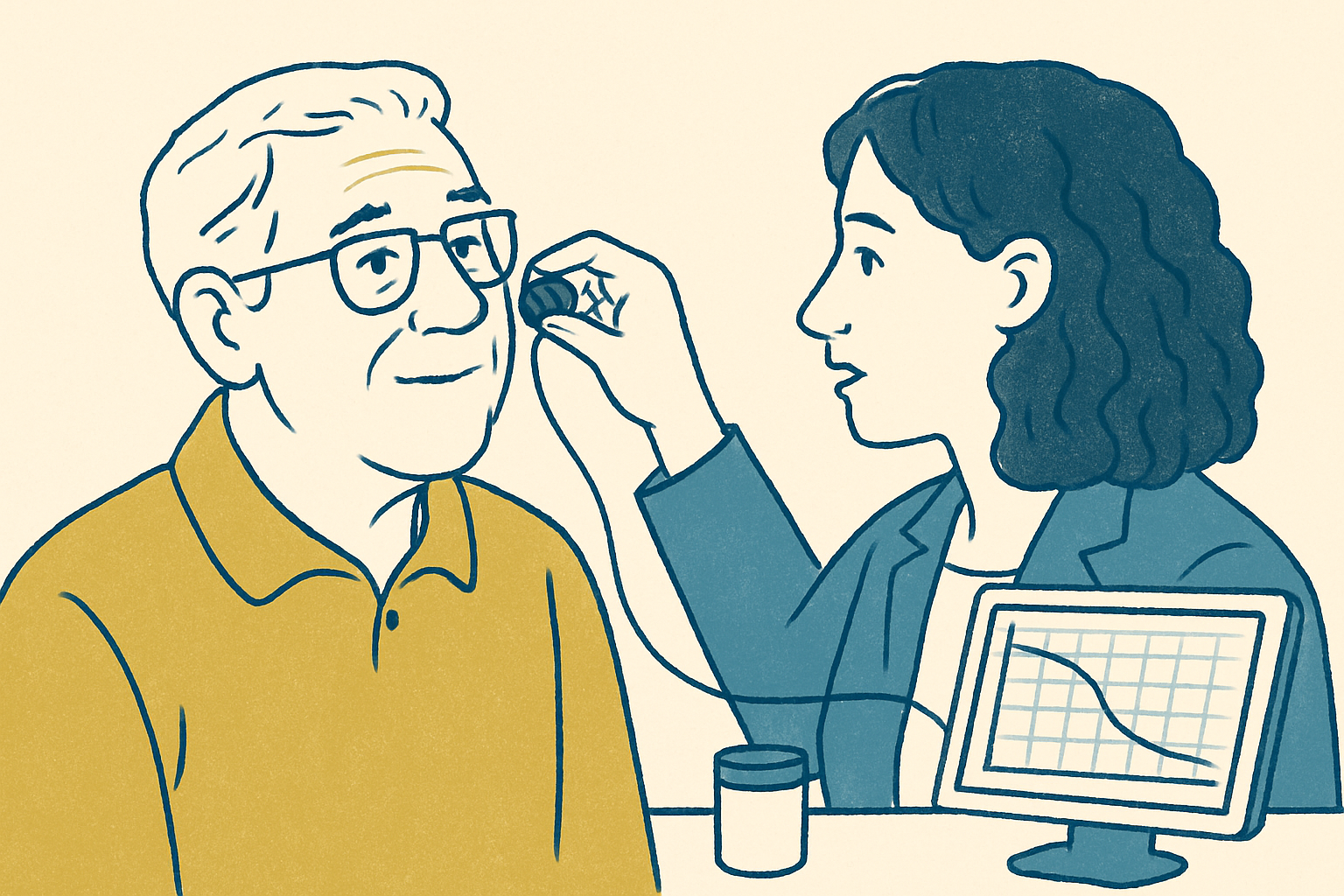
- Pure-tone audiometry — you'll listen to tones at different frequencies and volumes through headphones, pressing a button when you hear each one
- Speech audiometry — you'll repeat words at different volumes to measure how well you understand speech, not just detect sound
- Middle ear testing (tympanometry) — checks the physical function of the eardrum and middle ear
- Case history discussion — a conversation about your hearing concerns, medical history, and lifestyle to inform any recommendations
Where to get tested
- Audiologist (Au.D.) — the most comprehensive option; can diagnose hearing conditions, fit hearing aids, and provide follow-up care
- Hearing instrument specialist (HIS) — licensed to test and fit hearing aids; a good option in many areas where audiologists are less accessible
- Your primary care physician — can rule out medical causes (earwax buildup, infection) and provide a referral
- Online hearing screeners — useful as a rough first indicator, but not a substitute for a clinical test
A word on OTC hearing aids
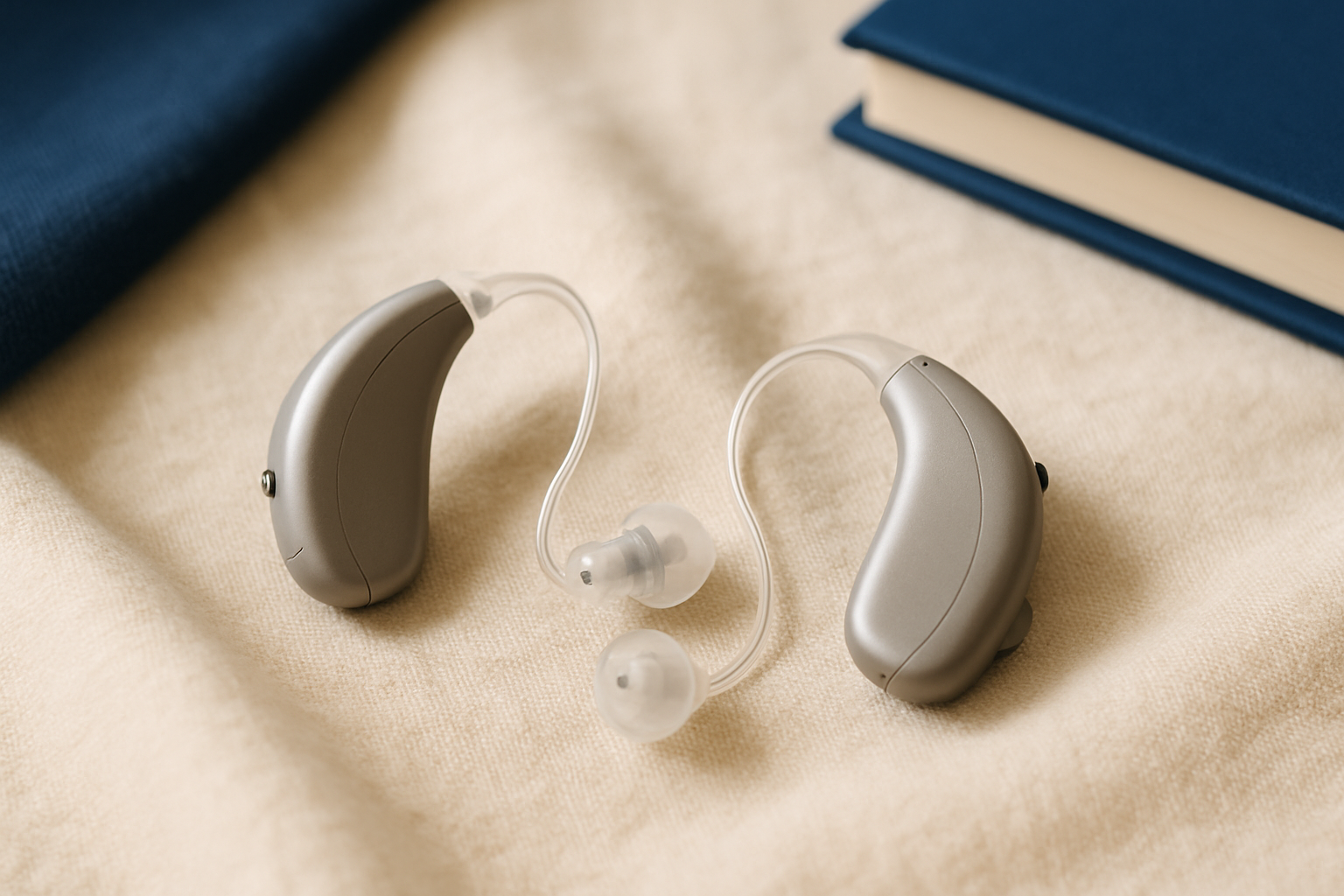
Since 2022, FDA-cleared over-the-counter hearing aids have been available without a prescription for adults with mild to moderate hearing loss. They can be a practical starting point, but a professional evaluation is still worthwhile — it confirms your degree of loss, rules out treatable medical causes, and helps you choose a device that's actually matched to your audiogram rather than a generic setting.
The bottom line
Hearing loss rarely arrives overnight, which makes it easy to rationalize each small change until the cumulative effect becomes impossible to ignore. If you recognized yourself in two or more of the signs above, the most useful thing you can do is schedule a hearing evaluation. It doesn't commit you to buying anything — it simply gives you accurate information about where your hearing stands today, so any decisions you make are grounded in fact rather than guesswork.
When you're ready to explore what's available, our audiologist-reviewed comparisons can help you understand which types of devices are typically recommended for different degrees of loss, lifestyles, and budgets.
Ready to explore your options?
Our audiologist-reviewed rankings cover the top hearing aids for seniors, OTC devices, rechargeable models, and more.
Browse Hearing Aid Reviews→