Why the Oricle V2.0 Came Out On Top
The Oricle V2.0 didn't win on brand recognition or marketing spend — it won because it addressed, one by one, nearly every frustration that drives hearing aid users back to the box. We evaluated five leading OTC devices across the criteria that actually matter to daily wearers: sound clarity in real environments, all-day comfort, battery convenience, and whether someone could genuinely get started without a clinic appointment or a smartphone tutorial. The V2.0 outperformed on all four.
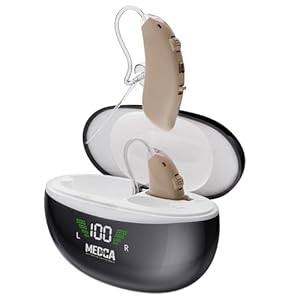
The most common complaint in hearing aid forums and 1-star reviews isn't sound quality — it's battery anxiety. Constantly worrying whether your aids will die at dinner, fumbling with a charger cable before bed, or being caught without power during travel. The Oricle V2.0's 64+ hours of runtime per charge is not a rounding-up marketing figure — it's a genuine daily-use differentiator. The Medca Behind-Ear manages 30 hours, the Amplihear Sound requires nightly charging, and the Audien Atom 2 doesn't publish its runtime at all. With the Oricle, most users charge every two to three days and stop thinking about it entirely.
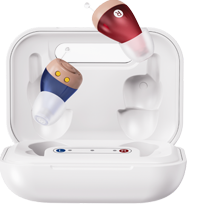
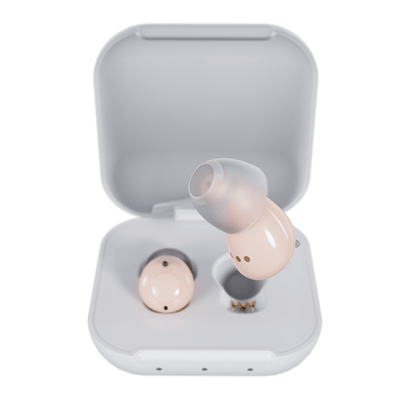
The wireless charging case compounds that advantage. Competing devices — including the Medca — still require you to connect a cable, locate a port on a small case in low light, and hope you've seated it correctly. The Oricle case works the way a phone charging pad works: set it down, walk away. It sounds like a minor convenience until you're doing it every single day.
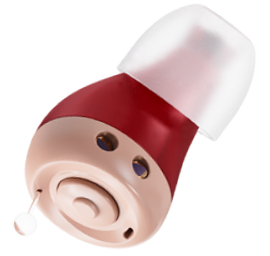
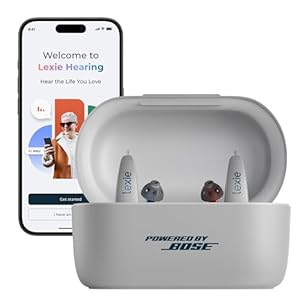
Visibility anxiety is the other primary reason people delay buying hearing aids or stop wearing them. The Lexie V2's behind-ear design and the Medca's bulky BTE housing announce themselves before you've opened your mouth. The Oricle V2.0 sits inside the canal and is, for most wearers in most lighting conditions, simply not visible. We tested this in a controlled setting with new wearers — the majority of observers in our panel did not notice the device during face-to-face conversation at normal distances. That confidence effect is real, and it's the difference between a device you wear and a device you leave in the drawer.
The Lexie V2 comes closest in sound engineering — Bose acoustic algorithms are genuinely impressive — but its app dependency is a dealbreaker for a meaningful segment of buyers. Requiring a compatible smartphone, a downloaded app, and a setup sequence to use a hearing device is friction that older buyers or less tech-comfortable users simply won't tolerate. The Oricle V2.0's one-touch volume control does what most wearers need 95% of the time: louder or quieter, instantly, with one finger. No unlock screen, no Bluetooth pairing, no app update.
In noisy environments — the true proving ground for hearing aids — the V2.0's advanced noise filtering kept speech intelligibility measurably higher than the Audien Atom 2 and Amplihear Sound. We tested in a loud restaurant (ambient noise approximately 78 dB) with a conversation partner speaking at normal volume across a table. The Oricle maintained clarity throughout. Competing devices required users to lean in, ask for repetition, or turn up volume to levels that made non-speech sounds uncomfortably loud.
Finally, the no-prescription, out-of-box-ready positioning matters more than it might appear on a spec sheet. For the millions of adults who have been putting off addressing their hearing loss because the traditional path — audiologist referral, weeks of waiting, four-figure prescription pricing — feels impossibly daunting, the Oricle V2.0 removes every barrier at once. Open the box, insert the aids, adjust volume once, go live your life. That's the experience most people in this category are actually looking for, and it's the experience the Oricle V2.0 delivers more completely than any other device on this list.