
HearingExperts logo
2026 · Audiologist Tested · Hands-On Evaluation in Progress

Best Hearing Aids for Severe Hearing Loss — 2026

We're evaluating the top hearing aids for moderate-to-profound loss across real wearers — judging each device on output power, feedback suppression, and how clearly speech comes through in difficult listening environments. Our full ranked results are on their way.

Evaluation in progress 60-day wearer trial 5 devices under evaluation Editorially independent
Audiologist-Led Methodology No Sponsored Rankings Updated Each Cycle
Editorial Disclosure: HearingExperts is an independent review site. We are not affiliated with or endorsed by any of the brands featured below. We may earn a commission when you purchase through links on this page — this never influences our rankings. Read full affiliate disclosure.
2026 Evaluation in Progress

Hands-On Testing: Severe Loss Hearing Aids

!We're currently testing the top 5 Severe Loss hearing aids on the market.
In Progress
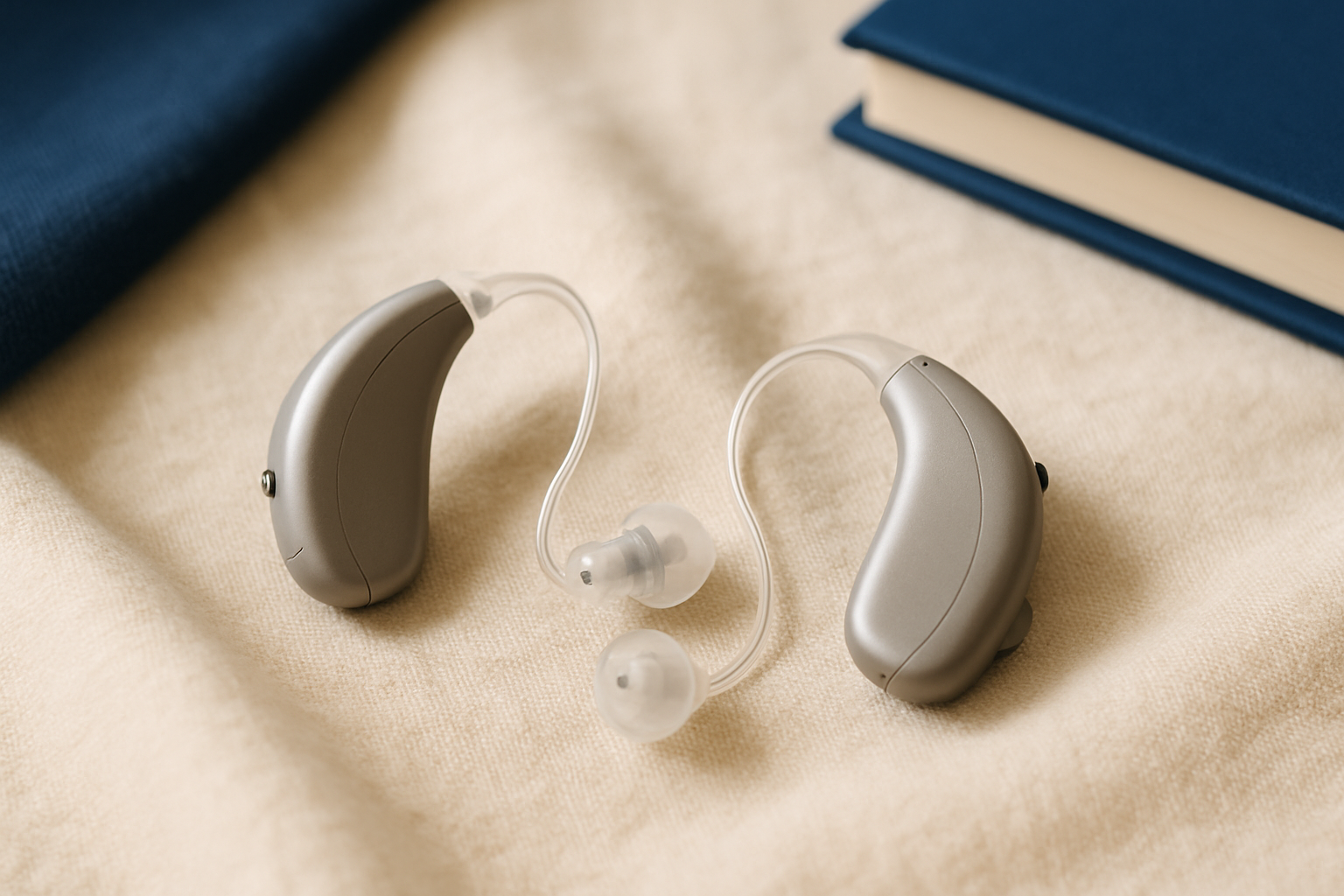
What we evaluate

Our panel of audiologists is running each device through a structured 60-day protocol across participants with moderate-to-profound hearing loss. We measure performance in both quiet settings and challenging acoustic environments — the conditions that matter most for severe-loss wearers.

  • Output Power & Gain Range — measured against each participant's audiogram to confirm the device reaches target prescription levels for severe-to-profound loss.
  • Feedback Suppression — scored on how effectively the device eliminates whistling under real-world wearing conditions, including phone use and close-proximity conversations.
  • Speech Intelligibility in Noise — evaluated in multi-talker environments, busy restaurants, and outdoor settings to assess how well each device preserves consonant clarity.
  • Comfort & Extended Wear — assessed across a full day of wear, including behind-the-ear fit security, earmold comfort, and user-reported fatigue over the 60-day trial.
Devices Evaluated 5 ★★★★★ 60-day wearer trial
Results Coming Read Our Methodology
Our Methodology

How We Evaluate High-Power Hearing Aids

Output Power & Gain

We verify each device reaches clinically appropriate gain targets for severe and profound loss profiles, comparing measured output against each participant's audiogram prescription.

Feedback Suppression

High-power devices are particularly prone to feedback whistling. We score each device's digital feedback cancellation under real-world conditions, including phone calls and tight-fitting scenarios.

Speech Intelligibility

We evaluate how well each device preserves consonant clarity and speech detail in noisy environments — the defining challenge for wearers with severe-to-profound loss.

Read our full testing methodology to learn how we score every device.

★ Severe Loss Focus

Why Severe Hearing Loss Demands a Different Standard

Standard hearing aid reviews rarely address the specific needs of moderate-to-profound loss wearers. Higher gain requirements, feedback management, and earmold fit all behave differently at this level of loss — and most published rankings simply don't account for it. Our evaluation is built around these realities, tested on real wearers with the audiograms that matter.

See Our Evaluation Framework
Evaluation Criteria
5 areas
★★★★★ Rigorous
Output Power
Core
Feedback Control
Core
Speech in Noise
Core
Earmold Comfort
Key
Fitting Support
Key

What We Reward

  • High maximum output
  • Clean speech in noise
  • Effective feedback cancel
  • Secure earmold fit
  • Professional fitting access

What We Penalise

  • Insufficient gain for severe loss
  • Persistent feedback whistling
Read Full Methodology

Written by Dr. Margaret Ellsworth, Lead Audiology Editor

★★★★★

Au.D., CCC-A — 22 years in clinical audiology and hearing aid fittings. Margaret spent two decades fitting hearing aids in private practice and a regional VA clinic. She specialises in age-related hearing loss and tinnitus management, and has personally fit more than 4,000 patients. Her reviews focus on what actually matters at the kitchen table: comfort, clarity, and follow-up support. Read more about our editorial team →

Au.D., CCC-A 22 years clinical audiology 4,000+ patients fit
Common Questions

Severe Hearing Loss FAQ

What makes a hearing aid suitable for severe hearing loss?
Hearing aids for severe-to-profound loss need a higher maximum output (measured in dB SPL) and greater gain than standard devices. They also require robust feedback suppression — because high-power amplification increases the risk of whistling — and advanced signal processing to keep speech intelligible in noisy environments. Our testing prioritised all three of these characteristics across every device in our evaluation.
What is the difference between severe and profound hearing loss?
Audiologists classify severe hearing loss as requiring sounds louder than 70 dB before they are detected, and profound loss as 90 dB or greater. Many hearing aid lines offer specific power or super-power receiver options for these ranges. Whether a standard or power model is appropriate for you depends on your audiogram — a licensed audiologist can advise you based on your specific loss profile.
Can over-the-counter hearing aids work for severe hearing loss?
No. FDA-cleared OTC hearing aids are intended only for adults with perceived mild-to-moderate hearing loss. Severe and profound hearing loss requires a prescription-grade, professionally fitted device with sufficient gain and output for your specific audiogram. Attempting to manage severe loss with an OTC device risks both inadequate amplification and potential harm. Always consult a licensed audiologist or hearing instrument specialist.
How important is feedback suppression for high-power hearing aids?
Extremely important. High-power receivers amplify sound significantly, which increases the chance of the microphone picking up the receiver's output and creating a feedback loop — the familiar whistling sound. Strong digital feedback cancellation is a non-negotiable feature in any hearing aid recommended for severe loss. Our evaluation scores each device on how effectively it suppresses feedback across real-world wearing conditions, including phone calls and close-range conversations.
Do I need to see an audiologist to get a hearing aid for severe loss?
Yes. Severe and profound hearing loss requires professional evaluation, a full audiogram, and a custom fitting by a licensed audiologist or hearing instrument specialist. Proper fitting ensures the device's output and gain targets are matched to your hearing loss curve, and a professional can fine-tune the device as your hearing needs change over time. HearingExperts provides educational guidance only — please consult a qualified hearing health provider before purchasing any device.
Editorially Independent Privacy Protected Secure Browsing (HTTPS) Updated Each Cycle Reviewed by Licensed Audiologists

Want to be first to see our severe loss verdict?

Our editors are completing hands-on evaluations across the top high-power hearing aids right now. Subscribe and we'll send you the full ranked results the moment they're published — no marketing, just the verdict.

Subscribe — Get the Verdict First

⚡ Audiologist-reviewed · Independent rankings · No sponsored placements

Subscribe — get the verdict first